Typical scope
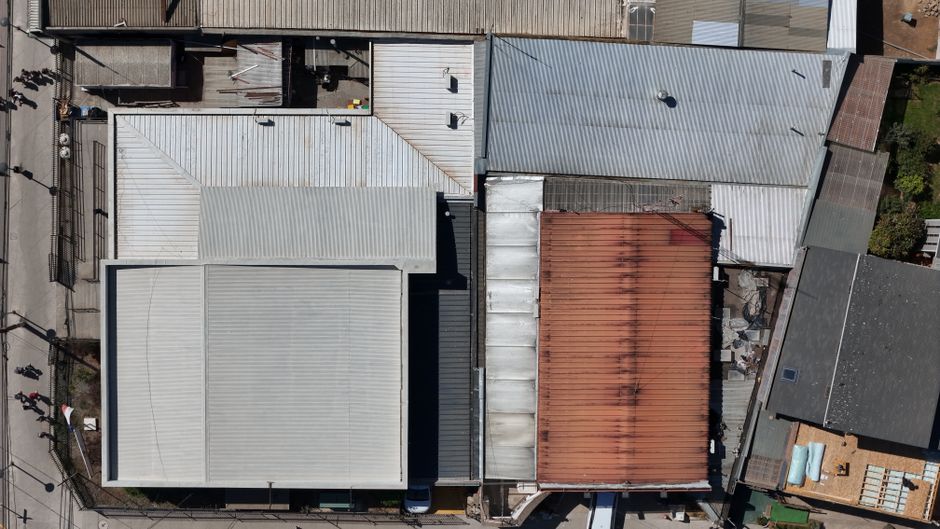
- Emergency dry-in, tarp, temporary patch or weld to stop the water today
- Penetration and flashing repair at pipe boots, HVAC curbs, drains and scuppers
- Seam repair: hot-air welded on TPO and PVC, primed and taped on EPDM
- Interior stain tracing and moisture scanning on larger roofs
- Wet insulation removal and replacement where the deck has been affected
How a low-slope leak is diagnosed
The interior stain tells you where water finally found a hole in the ceiling, not where it entered the roof. A competent crew works upslope from the stain and inspects the details first, pipe boots that have gone hard and split, HVAC curb counterflashing that has lifted, pitch pans that have dried out, drain clamping rings that have loosened, parapet terminations, and every conduit or gas line added over the years without a proper boot. The open field of the membrane is the last place to look, not the first.
On large roofs, infrared or capacitance moisture scanning maps the saturated area of the insulation instead of guessing at it. That survey usually pays for itself by preventing a week of exploratory patching.
The repair depends on the material
TPO and PVC are thermoplastics and are repaired by hot-air welding a patch of matching material. EPDM is a cured rubber that cannot be welded; it needs primer and seam tape or splice adhesive on a genuinely clean, dry surface. Built-up and modified bitumen roofs are repaired with compatible mastic, fabric and plies. Using the wrong product, generic roofing cement on a TPO sheet is the classic example, makes the eventual proper repair harder and can void the remainder of a manufacturer warranty.
Emergency work versus the permanent fix
An emergency visit buys time. Anyone promising a permanent repair on a soaked roof in the middle of a storm is guessing, the surface has to be dry for an adhesive or a weld to work. Expect a dry-in now and a proper repair on the first dry day.